Wedding dining flow is the coordinated sequence of meal service, photography, and speeches so guests can eat comfortably while key moments are captured and heard. A reliable plan assigns each moment a place in the schedule, confirms timing with the caterer, photographer, and emcee, and builds in buffers for real-world delays. This matters because wedding receptions combine several time-sensitive activities: The Knot’s 2024 Real Weddings Study reported an average U.S. wedding guest count of 115, while food service, room movement, and speeches all compete for the same guests’ attention. The sections below explain how to map the service sequence, coordinate photography and toasts, and adjust the plan when timing shifts.
Wedding Dining Flow Defines the Reception Service Sequence
Wedding dining flow is the planned progression from guests entering the reception space through meal service, speeches, and the transition to dancing or other activities. It is not a fixed industry standard: venue layout, service style, guest count, and cultural traditions all affect the sequence. The National Association for Catering and Events (NACE) emphasizes coordination among event professionals; in practice, the couple or planner turns that coordination into a shared run of show that specifies what happens, when, and who signals the next transition.
The key characteristics are clear ownership, realistic durations, and short transition buffers. A schedule should identify the start and finish of each course, the people speaking, the photographer’s essential shot list, and the person authorized to adjust the timeline. The Knot’s 2024 study offers a useful scale reference: with an average of 115 guests, even a small delay in releasing tables or moving between rooms can affect many people at once. That figure is a national survey average, not a guarantee that every wedding will have the same service needs.
Service-Style Hyponyms: Plated, Buffet, and Family-Style Dining
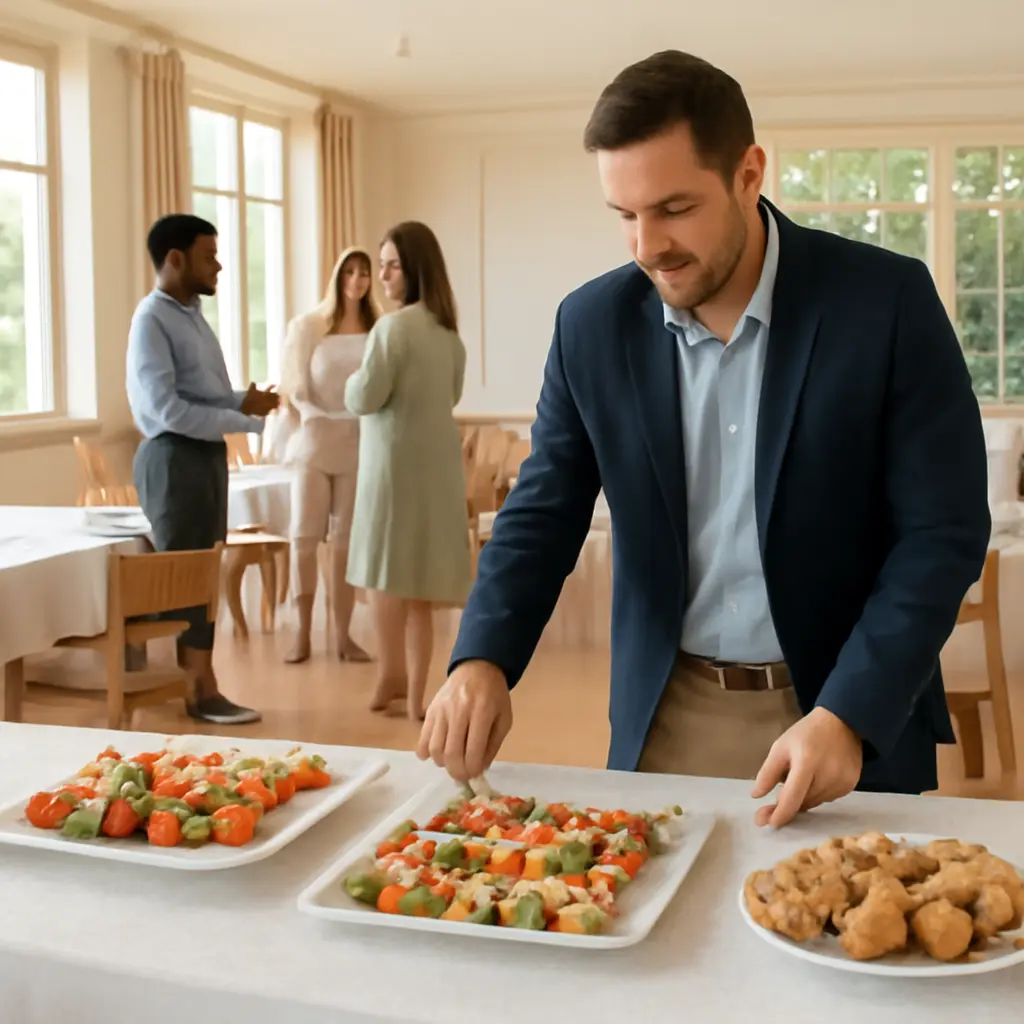
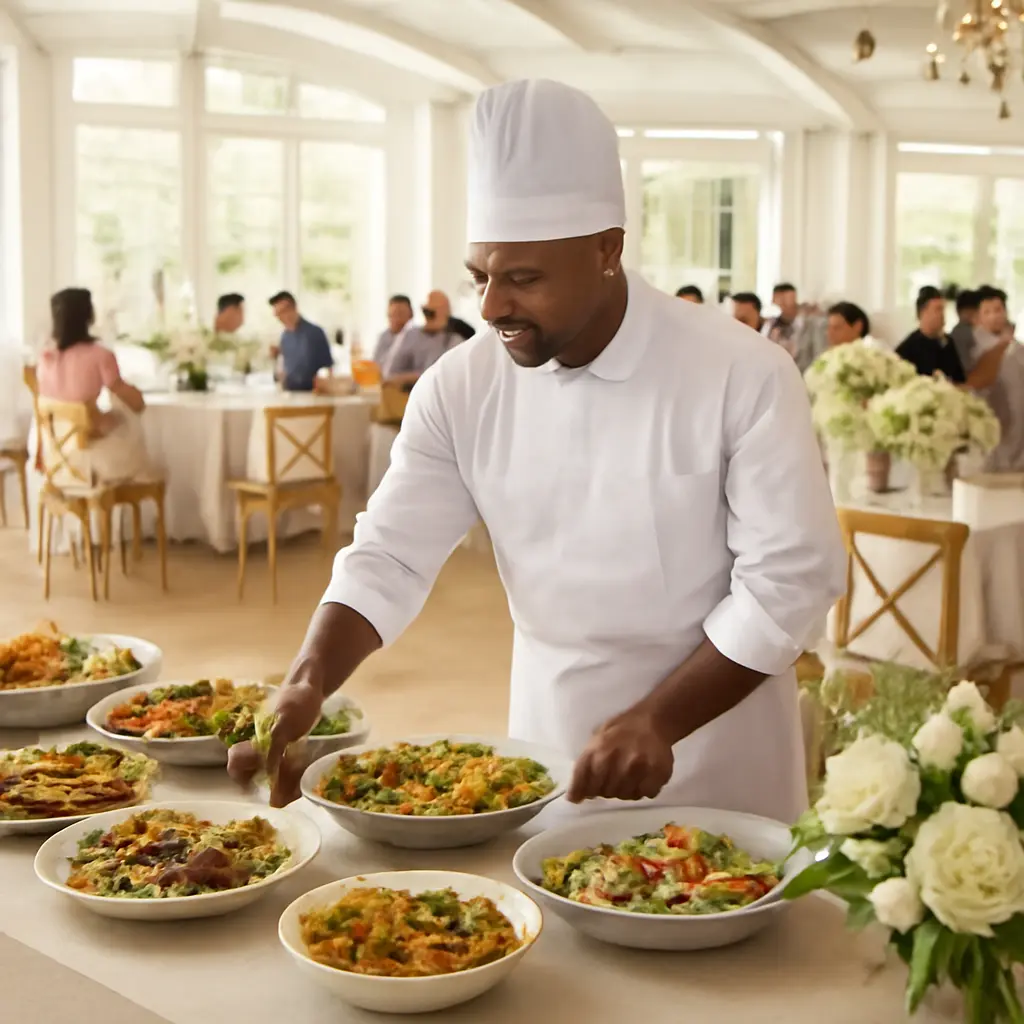
Plated service delivers a selected meal to each guest, often by table or seating section. It can make the order of courses and speeches easier to control, but caterers need accurate meal counts, dietary information, and a plan for serving vendors. Buffet service allows guests to choose food but may require table-by-table releases to avoid long queues; schedule speeches while guests are seated rather than during the main movement to the buffet. Family-style dining places shared dishes on tables, so the caterer may need extra time to replenish food and clear serving pieces before a toast or formal photograph.
These service types are related forms of the same planning problem: the meal determines when guests are seated, when staff can move through the room, and when the photographer can work without obstructing service. Confirm timing with the catering lead rather than relying on a generic estimate. Ask how long each course takes to plate or replenish, whether dietary meals are served simultaneously, and what signal indicates that a table or room is ready for the next activity.
Run of Show and Transition Buffers
A run of show is the master timeline used by the planner, emcee, venue, catering team, and photographer. It should show clock times, activity durations, responsible people, and transition cues. For example, “6:35 p.m.—main course begins; catering lead confirms service; photographer captures table atmosphere; emcee holds announcements until guests are seated.” This is more actionable than a schedule that simply says “dinner.”
Build in small buffers around room changes, speeches, and course service instead of filling every minute. The buffer is not unused time; it absorbs late entrances, a slow table release, or a microphone handoff without forcing the rest of the evening to run behind. Once the meal sequence is established, the next task is to protect the photographic moments that depend on the room, lighting, or guests being in the right place.
Photography Timing Protects Dining and Key Images
Photography timing is the deliberate placement of posed and documentary coverage around guest service. The photographer’s priorities should be discussed before the event, because some images are tied to short windows: a room before guests enter, a couple’s sunset portraits, a cake cutting, or reactions during a toast. The American wedding photography industry has no single authoritative standard for how long every image takes, so couples should use their photographer’s experience and the venue’s access rules to build a custom plan.
Reception-Room and Detail Photography
Room and detail photographs are images of the reception setup, such as table arrangements, place settings, signage, and the cake, usually taken before guests occupy the space. Schedule a brief access window after décor is complete and before guest entry or service begins. This avoids asking guests or catering staff to pause once the room is active. If the room cannot be cleared, agree on priority details and capture them while staff are finishing their setup.
Couple Portraits and Guest Meal Time
Couple portraits can be scheduled during cocktail hour, before the reception, or in a short planned window between courses. Avoid leaving the couple away from the room for the entire meal: guests may want to greet them, and the couple may miss the shared experience. If portraits must happen during dinner, coordinate with the caterer so the couple’s meals are held or served when they return, and tell the photographer which moments must not be interrupted.
A practical approach is to reserve a short portrait window and identify a nearby fallback location for poor weather or fading light. Discuss sunset timing with the photographer using the event date and venue location, rather than assuming a fixed “golden hour.” After portraits, the timeline should bring the couple back before any scheduled welcome, toast, or course transition that requires their presence.
Speech Photography and Guest Experience
Speech coverage includes the speaker, the couple’s reactions, and guest responses. Ask the photographer and emcee to coordinate positions before the first toast; a clear aisle and a working microphone help both documentation and audibility. Keep guests seated during formal remarks, and avoid starting a speech while servers are carrying hot plates through the room. The International Live Events Association’s professional event-planning principles support this kind of cross-team coordination, although exact service pauses should be agreed directly with the venue and caterer.
When the photo priorities are known, speeches can be placed where guests are most likely to be settled and attentive. This leads to the next scheduling decision: selecting speech windows that respect both meal service and the people delivering the toasts.
Speech Scheduling Fits Toasts Around Meal Service
Speech scheduling is the placement and management of formal remarks within the reception timeline. A useful plan identifies each speaker, the order, the microphone handoff, and a target duration. There is no universal evidence-based ideal length for wedding toasts; recommendations such as keeping remarks brief are practical event guidance, not a formal standard. The couple can set a time expectation in advance and ask the emcee to give speakers a discreet cue if a toast runs long.
Welcome Remarks and Meal Opening
Welcome remarks are brief announcements that orient guests and may invite them to begin dining. Schedule them before the first course or after guests have been seated, not while tables are still being directed into the room. If the remarks include a blessing or cultural observance, confirm the order with the couple and officiant, and tell the caterer when service should pause or begin.
Toasts Between Courses or After Dinner
Toasts can be grouped between courses or placed after the meal. A between-course window can keep guests seated, but the catering lead must confirm that the next course will not be delayed or become cold. After-dinner toasts simplify service coordination, though guests may be ready to move or may have reduced attention later in the evening. For either option, avoid placing every speaker in a separate interruption; grouping remarks creates fewer stops and gives the photographer a predictable sequence.
Before the event, share the speaking order and names with the emcee, photographer, and venue. Provide a time limit and a backup plan for an absent speaker. These details allow the meal and speeches to work as one sequence rather than competing events.
A Coordinated Timeline Connects Catering, Photography, and Speeches
A coordinated timeline is a shared operational document, not simply a list of ceremonial moments. The planner or designated lead should circulate the same current version to all relevant vendors, then confirm changes in person or through a reliable event communication channel. The following example is illustrative; actual durations should be set with the venue and caterer.
- 6:00 p.m.—Guests enter the reception; photographer captures arrivals and room atmosphere.
- 6:20 p.m.—Guests are seated; emcee gives welcome remarks and any meal-opening instructions.
- 6:30 p.m.—First course begins; photographer captures table service and candid reactions without blocking staff.
- 7:00 p.m.—Main course service begins; couple remains available for the meal.
- 7:35 p.m.—Catering lead confirms plates are cleared; grouped toasts begin while guests remain seated.
- 8:00 p.m.—Dessert or cake moment, followed by the planned transition to dancing.
For a real-world adjustment, imagine buffet lines taking longer than expected. Instead of calling speakers while guests are standing, the emcee can delay the toasts until the last tables are seated, while the planner checks with catering and the photographer. If the delay affects a time-sensitive portrait, the team can move that portrait to its agreed fallback window rather than interrupting meal service. This example illustrates the value of assigning decision-making authority before the event.
Communication, Roles, and Contingencies
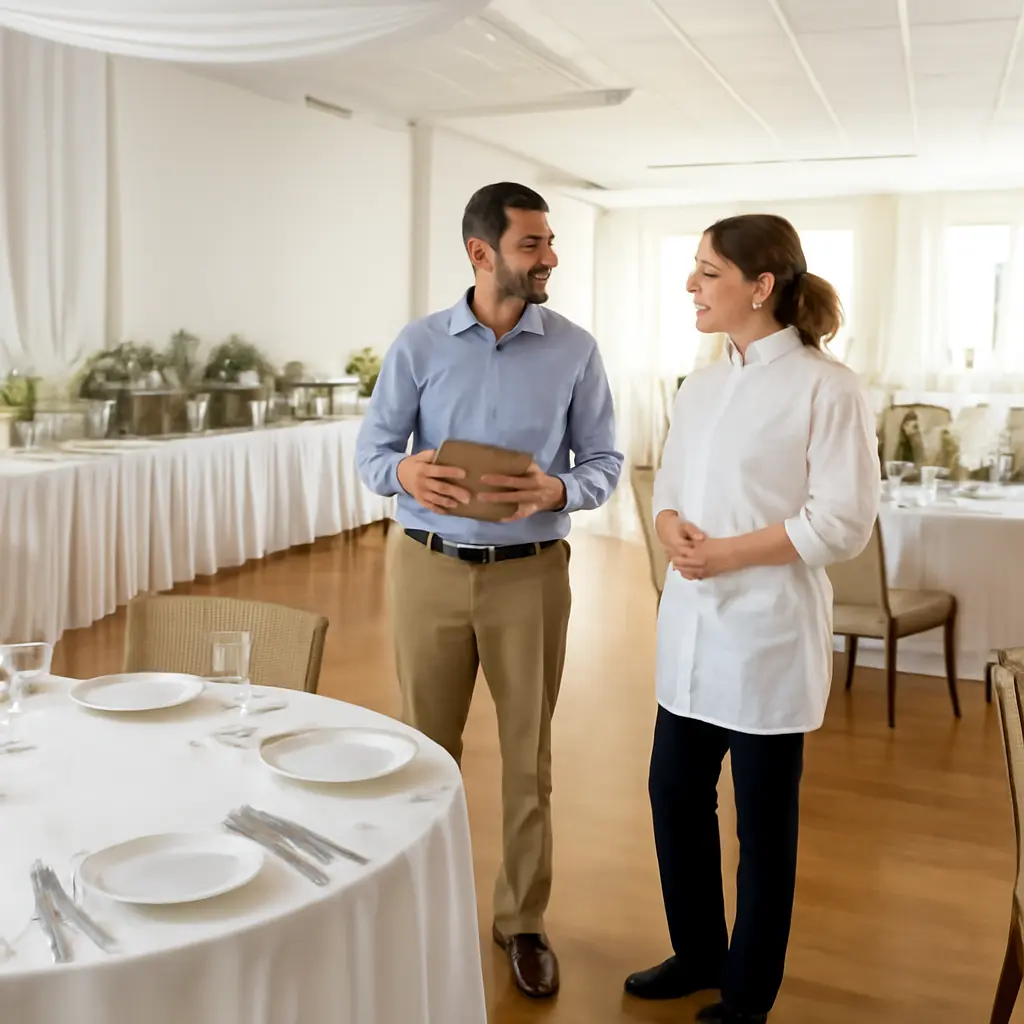
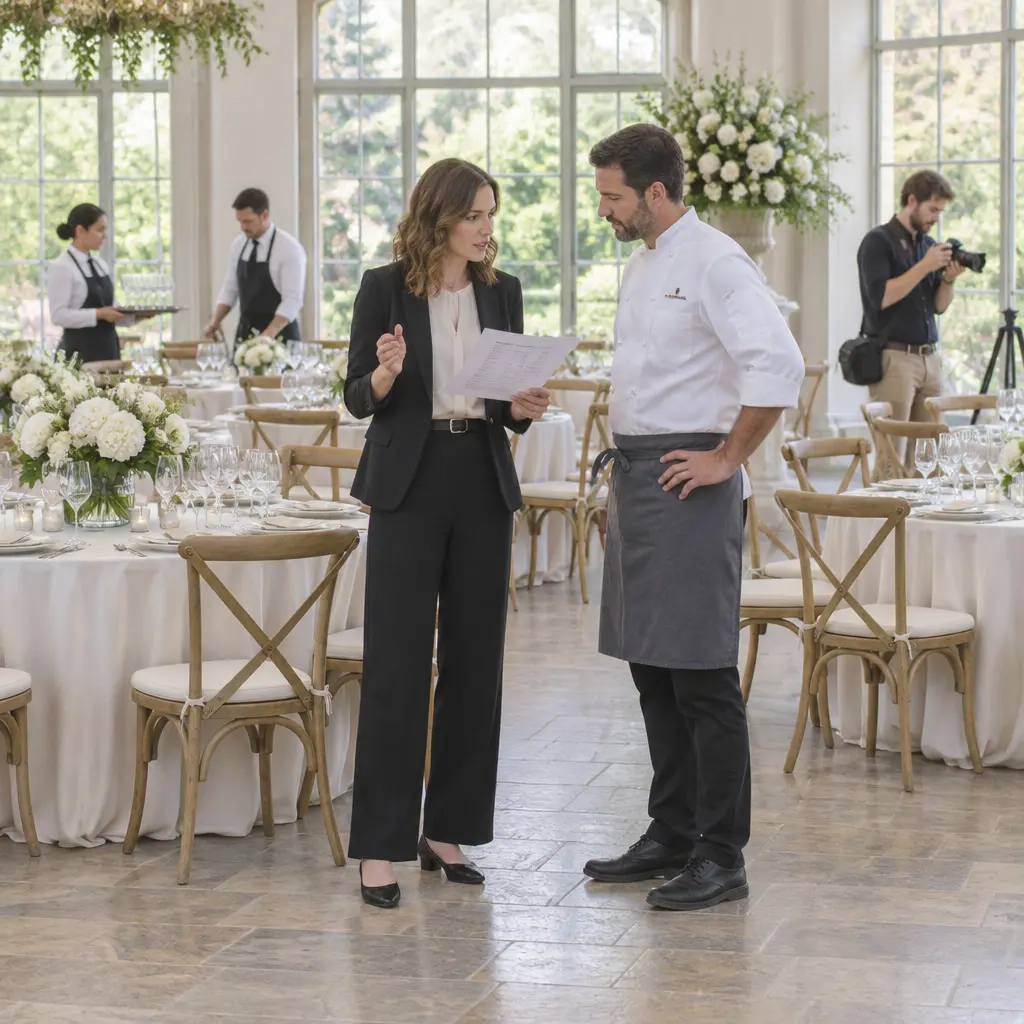
The planner or coordinator should own the master schedule; the catering lead should confirm service readiness; the emcee should control announcements and speaker transitions; and the photographer should flag time-sensitive coverage. The couple should approve priorities in advance but should not have to manage routine timing decisions during the reception. A short pre-event briefing can confirm who gives the “ready” signal, how vendors communicate, and what happens if the schedule slips.
Plan contingencies for late guests, weather changes, delayed food, or a speaker who is unavailable. Protect guest comfort by avoiding speeches during active food queues, and protect food quality by not holding plated meals indefinitely for photographs. If a schedule change is necessary, the coordinator should communicate one clear update to the relevant teams rather than allowing several vendors to make conflicting adjustments.
Conclusion: Wedding Dining Flow Works Best as a Shared Plan
Wedding dining flow is the service sequence; photography timing protects essential images without taking the couple away from guests for too long; and speech scheduling places remarks where guests are settled and catering can pause safely. A shared run of show, realistic buffers, and clearly assigned roles connect these elements. Before the wedding, review the timeline with the venue, caterer, photographer, and emcee, confirm the service style and speech order, and agree on a contingency plan. For further planning, consult the venue’s event team and the professional organizations listed below for guidance tailored to the event.
Sources: The Knot, “The Knot 2024 Real Weddings Study,” https://www.theknot.com/content/real-weddings-study; National Association for Catering and Events, “About NACE,” https://www.nace.net/about-nace; International Live Events Association, “About ILEA,” https://www.ileahub.com/about-ilea.