
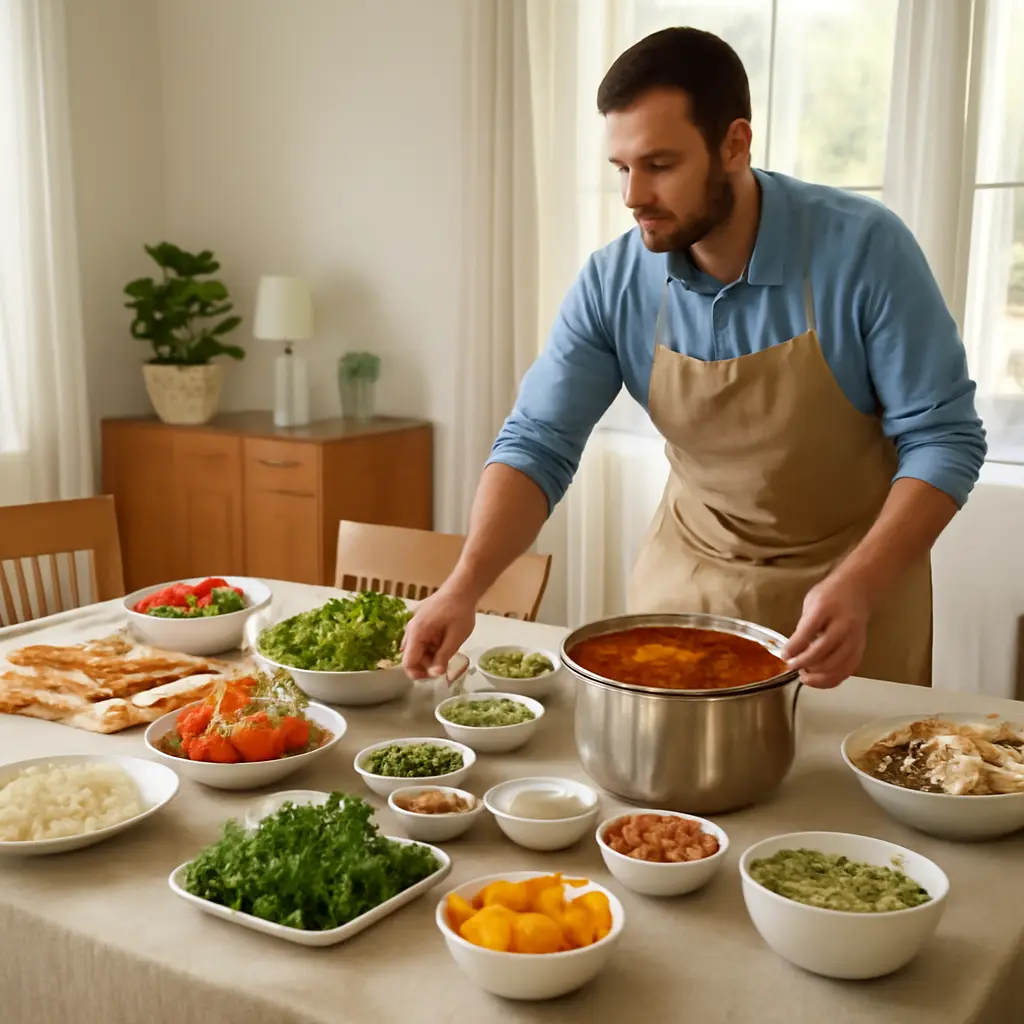
Gluten-free parties can be delicious and affordable when the menu is built around naturally gluten-free foods, seasonal produce, and a few crowd-pleasing dishes rather than pricey specialty substitutes. Gluten-free means avoiding wheat, barley, rye, and ingredients made from them; for people with celiac disease, preventing cross-contact matters too. The National Institute of Diabetes and Digestive and Kidney Diseases estimates celiac disease affects about 1% of people worldwide. A smart party plan can serve guests safely while keeping costs down: choose filling mains such as chili or tacos, make simple homemade dips, label dishes clearly, and spend selectively on certified gluten-free products where they are genuinely needed.
Gluten-free party planning: definition, safety, and value
A gluten-free party menu is a meal or spread that excludes gluten-containing grains and ingredients while accommodating guests who need or prefer gluten-free food. The U.S. Food and Drug Administration defines “gluten-free” labeling for foods regulated by the agency as less than 20 parts per million of gluten. That threshold is a labeling standard—not permission to ignore crumbs, shared utensils, or other cross-contact risks when serving someone with celiac disease.
The most economical approach is to make naturally gluten-free foods the foundation: potatoes, rice, beans, vegetables, fruit, eggs, meat, fish, and plain dairy products. These ingredients can feed a group without relying on specialty breads, crackers, and baking mixes, which may cost more per serving. Because dietary needs vary, ask guests what precautions they require and check ingredient labels each time you shop.
Naturally gluten-free foods as the budget foundation
Naturally gluten-free foods are ingredients that do not contain wheat, barley, or rye in their unprocessed form. Rice, potatoes, beans, corn, eggs, fresh produce, and plain meat can anchor a satisfying spread. For example, a baked-potato bar topped with beans, cheese, salsa, and vegetables offers several choices from inexpensive staples. Buy seasonal produce, use dried beans when time allows, and build dishes around ingredients that can be used in more than one recipe.
Cross-contact precautions for guests with celiac disease
Cross-contact happens when gluten-free food comes into contact with gluten through hands, utensils, cooking surfaces, shared oils, or crumbs. The Celiac Disease Foundation advises careful preparation because even small amounts can be harmful to people with celiac disease. Wash hands and work surfaces, use clean serving tools, keep gluten-containing foods separate, and avoid shared toaster slots, cutting boards, and fryers. If you cannot verify an ingredient or preparation method, identify the dish honestly rather than promising it is safe.
Gluten-free party menus: affordable crowd-pleasing categories
Once the safety plan is clear, menu categories make it easier to balance cost, variety, and guest choice. A strong spread usually includes a filling main, a few mix-and-match sides, a dip or snack, and fruit or a simple dessert. Buffet-style serving works well when dishes are labeled and separate utensils prevent guests from transferring crumbs between foods.
Taco and rice bowls
Taco and rice bowls are build-your-own meals assembled from rice or corn tortillas, seasoned beans, vegetables, cheese, and meat if desired. They are naturally adaptable and let guests choose portions and toppings. Check seasoning packets, sauces, and tortilla labels, since some packaged products may contain gluten or carry a cross-contact warning. Serving the fillings over rice gives guests another option and can reduce reliance on specialty products.
Chili, baked potatoes, and other filling mains
A large pot of chili or a tray of baked potatoes can be an economical centerpiece because beans, potatoes, tomatoes, and vegetables are filling ingredients that scale easily. Make chili from plain beans, tomatoes, vegetables, and verified spices; avoid assuming that broth, seasoning blends, or toppings are gluten-free without checking. Offer toppings in separate bowls with individual spoons so guests can serve themselves without mixing ingredients.
Snacks, dips, and desserts
Simple snacks can add variety without requiring a table full of specialty substitutes. Serve vegetables with homemade hummus, salsa with corn chips labeled gluten-free, or popcorn made with verified ingredients. For dessert, fruit, meringues, or a flourless chocolate cake can be less costly than buying several packaged gluten-free treats. Confirm that chocolate, flavorings, and other packaged ingredients meet the needs of your guests.
Gluten-free party costs: practical ways to spend less
Cost control comes from choosing the menu before shopping, using overlapping ingredients, and limiting premium substitutes to items that make a meaningful difference. The U.S. Department of Agriculture’s food-planning guidance emphasizes using a shopping list and planning meals around foods already on hand—habits that help reduce impulse purchases and food waste. Compare unit prices, choose store brands when their labels meet your needs, and prepare large-batch dishes that can be made ahead.
Plan portions and shop with a list
A shopping list turns a menu into a controlled budget. Estimate how many guests will attend, decide whether the event is a meal or a snack gathering, and buy only the ingredients required for the chosen dishes. Use the same ingredients in multiple ways—for example, beans can fill tacos and top potatoes, while vegetables can serve as both a dipper and a side. Ask guests about dietary needs early so you do not overbuy products that will go unused.
Spend selectively on packaged gluten-free products
Specialty gluten-free products are most useful when they replace a food guests expect or need, such as bread for sandwiches or a packaged snack for a child. They are not required for every course. Compare price per ounce or serving, inspect labels, and consider whether a naturally gluten-free alternative—such as potatoes instead of specialty rolls—will suit the menu. Avoid presenting a product as safe based solely on its appearance or the absence of obvious wheat ingredients.
Prepare ahead to reduce waste and stress
Make-ahead cooking helps hosts use ingredients efficiently and reduces last-minute spending. Chili, bean fillings, and some dips can be prepared in advance, while fresh toppings can be washed and portioned before guests arrive. Store food safely, keep prepared gluten-free dishes covered, and set aside a clean serving utensil for each item. A simple label listing the dish and relevant ingredients helps guests make informed choices.
Gluten-free party hosting: a simple, safe service plan
Good hosting combines clear communication with practical separation. Before the event, ask guests whether they have celiac disease, an allergy, or another preference, because the precautions they need may differ. On the day, prepare gluten-free dishes with clean equipment, label ingredients, and arrange the buffet so guests can serve themselves without reaching across foods that contain gluten.
- Check labels on sauces, broths, spice blends, snacks, and packaged toppings.
- Use clean pans, boards, utensils, and serving spoons.
- Keep gluten-containing bread, crackers, and pastries on a separate surface.
- Do not reuse cooking water, fryer oil, or a toaster shared with gluten-containing foods.
- Tell guests what you can confirm and be transparent about any uncertainty.
Conclusion: delicious gluten-free parties on a budget
An affordable gluten-free party starts with naturally gluten-free staples, then adds a few flexible mains, fresh sides, and clearly labeled snacks or desserts. Rice bowls, chili, baked potatoes, dips, and fruit can deliver variety without making specialty products the center of the budget. For guests with celiac disease, careful label checking and cross-contact prevention are as important as the menu itself. Ask guests about their needs, plan portions before shopping, and choose dishes that are both satisfying and straightforward to prepare.
Sources: U.S. Food and Drug Administration, Gluten-Free Labeling of Foods, https://www.fda.gov/food/nutrition-food-labeling-and-critical-foods/gluten-free-labeling-foods; National Institute of Diabetes and Digestive and Kidney Diseases, Celiac Disease, https://www.niddk.nih.gov/health-information/digestive-diseases/celiac-disease; Celiac Disease Foundation, Preventing Cross-Contact, https://celiac.org/about-the-foundation/featured-news/2019/11/preventing-cross-contact/; U.S. Department of Agriculture, MyPlate, Plan, https://www.myplate.gov/eat-healthy/what-is-myplate.
