
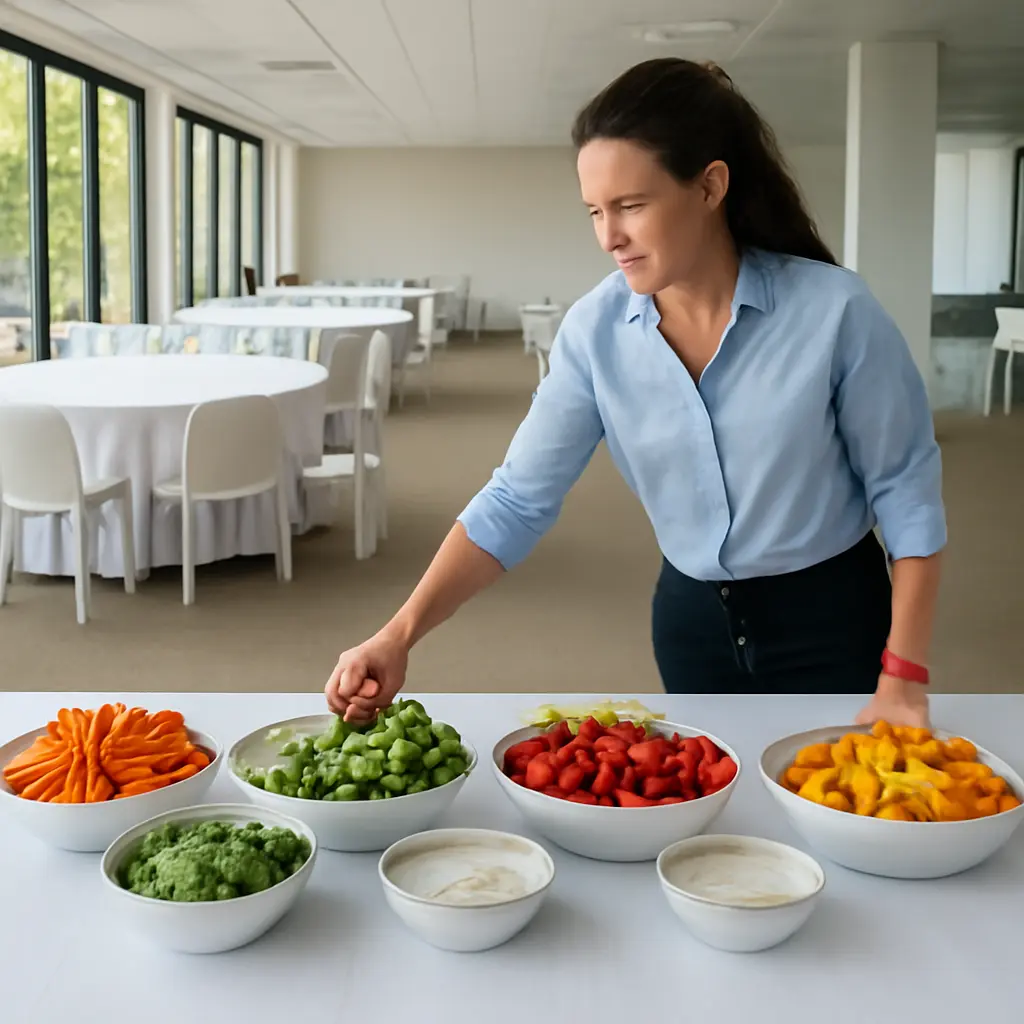
Seasonal vegetable spreads are menus of vegetable-forward dishes planned around ingredients at their freshest and most available times of year. For corporate gatherings, they can make catering feel more locally connected and varied while offering options for different diets. The National Restaurant Association’s 2024 industry research identified locally sourced food and sustainability among trends to watch, while USDA data show that vegetables’ availability and prices vary by season and region. A successful spread balances seasonal produce with food safety, dietary inclusion, clear labeling, and practical service logistics.
Seasonal vegetable spreads support corporate catering goals
A seasonal vegetable spread is a coordinated selection of vegetable-based dishes chosen to reflect what is in season, rather than a fixed menu served year-round. The term can include salads, cooked vegetables, dips, grain bowls, and plant-based mains. The USDA’s seasonal produce guidance explains that growing seasons differ by crop and location, so a seasonal menu should be based on the event’s region and date—not simply on a universal calendar.
For companies, the format can suit a range of occasions, from lunch meetings and training days to receptions. It also offers a practical way to present plant-forward choices alongside other catering. The CDC recommends a dietary pattern that includes vegetables as part of a varied, nutrient-dense diet; however, a catered vegetable menu should not be described as inherently healthy without considering preparation, portions, sauces, and sodium.
Seasonality and sourcing
Seasonality means selecting ingredients when they are typically harvested in the event’s region. Spring menus might feature asparagus, peas, and radishes; summer options may include tomatoes, corn, peppers, and zucchini; autumn can bring squash, roots, and brassicas; winter menus can draw on storage crops, hardy greens, and citrus where locally available. These are planning examples, not guarantees: weather, growing conditions, and supply chains affect availability.
The USDA’s National Agricultural Statistics Service tracks crop production and market conditions, while its Local Food Directories can help buyers identify farms and food hubs. Ask caterers which items are genuinely local or seasonal, what substitutions are likely, and how far in advance produce must be ordered. “Seasonal” and “local” are related but distinct claims: an ingredient may be in season but shipped from elsewhere, or locally stored after harvest.
Menu formats and dish categories
A well-rounded spread combines different temperatures, textures, and levels of satiety. Useful categories include raw or lightly prepared vegetables, cooked sides, composed salads, dips, and substantial plant-based dishes. Examples include shaved-root salads, roasted seasonal vegetables, hummus with crudités, lentil bowls, and vegetable tarts. Grain, legume, or tofu-based dishes can make the menu more filling than a collection of side dishes alone.
For a buffet, arrange dishes so guests can build a plate in a logical sequence, and provide serving utensils for each item. For a seated meal or boxed lunch, portion control and packaging become more important. The National Restaurant Association’s industry reporting has highlighted consumer interest in local sourcing and sustainability; these trends provide useful context, but they do not guarantee that every attendee prefers a plant-forward menu.
Seasonal vegetable spreads improve event planning when inclusion and safety are built in
A seasonal menu works best when planning begins with the event’s audience, venue, and service style. Dietary needs, ingredient substitutions, food temperatures, and allergen communication should be addressed alongside flavor and appearance. This turns a promising menu idea into a dependable catering plan.
Dietary inclusion and allergen communication
Dietary inclusion means offering clearly identified choices that guests with different needs can evaluate. A vegetable-based dish is not automatically vegan, gluten-free, or allergen-free: it may contain butter, cheese, wheat, nuts, sesame, or shared-kitchen cross-contact. Request ingredient lists and ask the caterer how it manages allergens and prevents cross-contact; label dishes with major ingredients and relevant dietary attributes, and avoid unsupported “free-from” assurances.
The U.S. Food and Drug Administration identifies nine major food allergens for labeling purposes: milk, eggs, fish, crustacean shellfish, tree nuts, peanuts, wheat, soybeans, and sesame. That federal labeling framework is a useful reminder for event organizers, but catered food communication should be confirmed directly with the provider, especially where guests report allergies. Offer at least one substantial option that meets the event’s known requirements rather than relying on side dishes to serve as a meal.
Food safety and service logistics
Food safety covers sourcing, washing, preparation, temperature control, and service. The FDA Food Code provides model guidance for retail and food-service operations, including time-and-temperature controls; local requirements and the caterer’s approved procedures govern the event. Ask how the provider will transport and hold hot and cold dishes, replenish buffet items, and manage food that has been displayed.
For an outdoor gathering or a long buffet, discuss shade, refrigeration, insulated transport, and smaller replacement platters. Keep serving tools separate to reduce cross-contact, and place labels where guests can see them before serving. The FDA advises consumers to wash produce under running water before preparation; catering teams should follow applicable food-code procedures rather than relying on guests to clean ready-to-eat foods.
Budgeting, waste, and seasonal substitutions
Budgeting for a seasonal spread means evaluating ingredient cost, labor, equipment, service format, and expected attendance together. Produce availability can fluctuate, so ask the caterer to propose approved substitutions in advance—for example, an alternative green or roasted vegetable with similar dietary attributes. Confirm whether the quoted price includes staffing, serving equipment, delivery, and applicable taxes or fees.
Waste prevention starts with a realistic guest count and appropriate portions. The U.S. Environmental Protection Agency’s food-waste guidance recommends prevention as the preferred approach, followed by donation or other recovery where safe and permitted. For an event, coordinate final attendance deadlines, replenishment plans, and local donation rules with the caterer; do not assume leftovers can be donated or safely reused without checking handling requirements.
A practical framework turns seasonal vegetable spreads into a reliable corporate menu
A simple planning sequence helps organizers translate seasonal ingredients into a menu that works for the occasion:
- Set the event date, location, attendance estimate, format, and service duration.
- Ask the caterer what produce is actually available from regional suppliers during that period.
- Choose a mix of fresh, cooked, and substantial dishes, with complementary flavors and textures.
- Document dietary requirements and allergens, then verify ingredients, cross-contact controls, and labels.
- Confirm transport, temperature management, serving equipment, staffing, and replenishment.
- Agree on substitutions, final guest-count deadlines, portion assumptions, and a leftover plan.
For example, a late-summer company lunch might pair tomato and cucumber salad with grilled corn, roasted peppers, a bean-and-grain bowl, and a clearly labeled dip selection. If local tomatoes are unavailable, the caterer could suggest an in-season alternative rather than presenting an imported ingredient as local. This illustrates how seasonal sourcing, menu balance, and transparent communication can work together without making unsupported claims about environmental impact or nutrition.
Conclusion: seasonal vegetable spreads bring freshness and responsibility to corporate gatherings
Seasonal vegetable spreads are most effective when menu choices reflect regional availability and include varied, satisfying dishes. For corporate gatherings, thoughtful sourcing should be matched with dietary inclusion, allergen transparency, food-safety planning, realistic budgeting, and waste prevention. Start by asking a qualified caterer for a region- and date-specific menu, then confirm ingredients, substitutions, service logistics, and labels before approving the order. USDA seasonal produce resources, FDA food-safety guidance, and EPA food-waste recommendations offer useful next steps for organizers.
Sources: U.S. Department of Agriculture, Seasonal Produce Guide, https://snaped.fns.usda.gov/resources/nutrition-education-materials/seasonal-produce-guide; U.S. Department of Agriculture, National Agricultural Statistics Service, https://www.nass.usda.gov/; U.S. Department of Agriculture, Local Food Directories, https://www.ams.usda.gov/local-food-directories; Centers for Disease Control and Prevention, Healthy Eating for a Healthy Weight, https://www.cdc.gov/healthy-weight-growth/healthy-eating/; National Restaurant Association, What’s Hot 2024 Culinary Forecast, https://restaurant.org/research-and-media/research/research-reports/whats-hot-2024-culinary-forecast/; U.S. Food and Drug Administration, Food Allergies, https://www.fda.gov/food/food-labeling-nutrition/food-allergies; U.S. Food and Drug Administration, FDA Food Code, https://www.fda.gov/food/retail-food-protection/fda-food-code; U.S. Food and Drug Administration, Selecting and Serving Produce Safely, https://www.fda.gov/food/buy-store-serve-safe-food/selecting-and-serving-produce-safely; U.S. Environmental Protection Agency, Preventing Wasted Food at Home, https://www.epa.gov/recycle/preventing-wasted-food-home.


